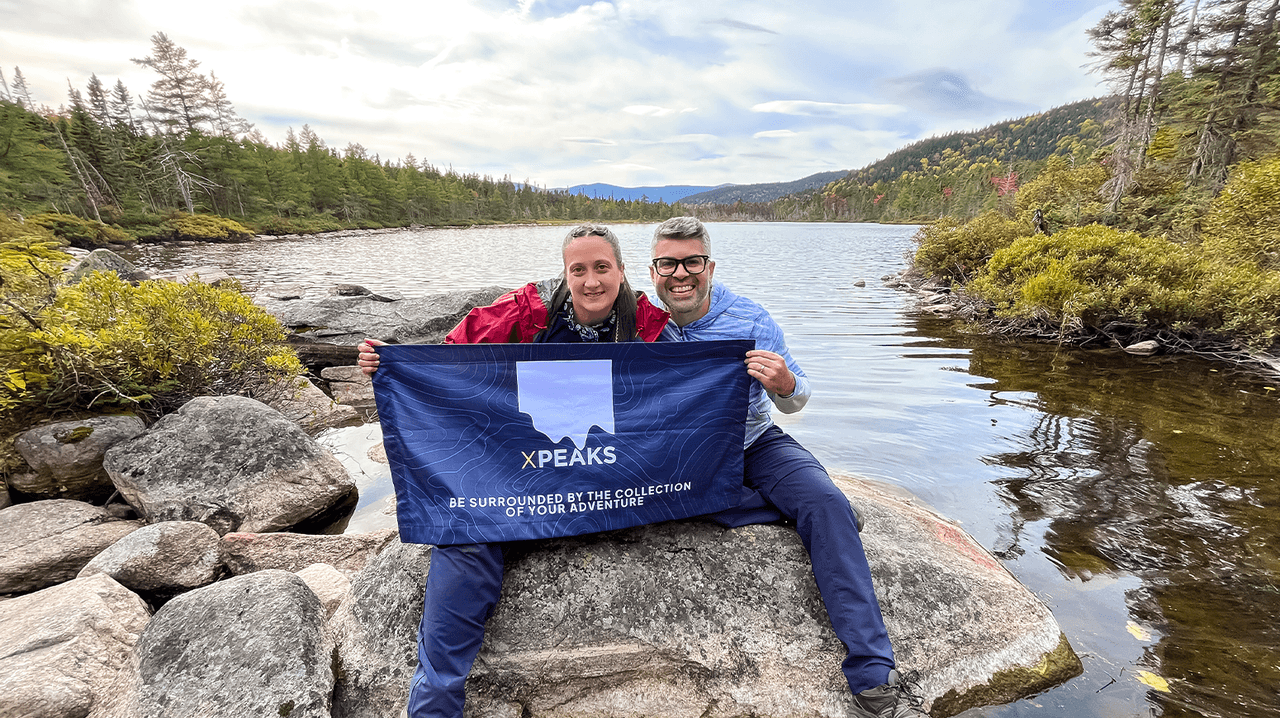
Ce que signifie sortir de votre zone de confort
La zone de confort est un espace psychologique où les routines, les règles et les risques sont minimes. C’est un endroit où vous vous sentez en contrôle, mais aussi un endroit où la stagnation peut persister et où la croissance ne se produit pas. En sortir signifie s’engager dans des activités qui dépassent vos capacités actuelles et vous exposent à l’incertitude. Et c’est précisément là que la croissance se produit. Selon une étude publiée dans Psychological Science, rechercher intentionnellement l’inconfort peut augmenter la motivation et accélérer le développement personnel. Il ne s’agit pas de rechercher des sensations fortes, mais de devenir plus adaptable, ouvert d’esprit et connecté.
Au niveau biologique, sortir de votre zone de confort conduit à l’activation de nouvelles voies neuronales, améliorant ainsi la flexibilité cognitive. Un article de la Harvard Summer School explique que l’inconfort déclenche un changement positif en poussant votre cerveau à s’adapter et à apprendre. Une autre étude publiée dans Psychology Today a révélé que les personnes qui s’engagent régulièrement dans des situations inconnues présentent une plus grande auto-efficacité et une anxiété réduite au fil du temps.
En résumé : l’inconfort n’est pas une menace, c’est un signal pour un voyage transformateur.
Comment sortir de votre zone de confort est lié à la nature, aux cultures et aux langues
Sortir de votre zone de confort ne se limite pas aux salles de réunion ou aux objectifs personnels. C’est profondément lié à la manière dont nous expérimentons et percevons le monde qui nous entoure. Passer du temps dans la nature, explorer de nouveaux endroits ou apprendre de nouvelles langues peut tous déclencher une croissance et mener à une meilleure version de vous-même.
Immersion dans la nature
Par exemple, faire de la randonnée sur un terrain inconnu ou camper sans confort moderne exige de l’adaptabilité. Lorsque vous marchez sur un sentier que vous n’avez jamais vu, dormez sous des étoiles inconnues ou affrontez une météo imprévisible, vous êtes forcé de vous fier à votre instinct, votre présence et votre résilience. Ces expériences éliminent les distractions et vous reconnectent à vos sens.
Des recherches de l’Université de Derby ont montré que passer du temps dans la nature améliore la santé mentale, stimule la créativité et favorise un sentiment d’émerveillement, surtout lorsqu’il s’agit de sortir de votre environnement habituel. Qu’il s’agisse de bains de forêt au Japon ou de sentiers alpins en Suisse, la nature vous invite à embrasser l’inconfort et à découvrir la clarté. Et les bienfaits se poursuivent. La nature réduit l’anxiété et stimule la créativité, surtout lorsqu’elle se trouve en dehors de votre environnement urbain ou numérique habituel.
Mais il y a plus. Les arbres libèrent des phytoncides, des composés aromatiques naturels comme le pinène et le limonène, qui ont démontré qu’ils augmentent l’activité des cellules tueuses naturelles (une défense contre les virus et les tumeurs) de 50 %. Ainsi, lorsque vous entrez dans les bois, vous ne faites pas que fuir le bruit – vous renforcez votre immunité.
Exploration culturelle
Voyager ou vivre à l’étranger vous expose à de nouvelles coutumes et valeurs, ce qui vous aide à développer des compétences interculturelles, tout en élargissant votre vision du monde. Une étude publiée dans le Journal of Personality and Social Psychology a révélé que les personnes ayant vécu à l’étranger montraient une créativité accrue et de meilleures capacités de résolution de problèmes. L’exposition à des cultures diverses améliore la flexibilité cognitive et l’empathie, tout en remettant en question les idées préconçues – des compétences précieuses tant sur le plan personnel que professionnel.
Apprentissage des langues
Apprendre une nouvelle langue est un exemple classique de sortie de zone de confort. Cela demande de la vulnérabilité, des erreurs de prononciation, des silences gênants et le courage de persévérer. Mais c’est aussi l’un des parcours les plus enrichissants, car il ouvre la voie à des connexions plus profondes et à une meilleure compréhension culturelle. Même les efforts de base pour parler une autre langue – comme commander à manger, demander son chemin ou saluer quelqu’un – peuvent instaurer la confiance et le respect mutuel entre les cultures. Cela montre de la curiosité et une volonté de se connecter. Et c’est un cadeau dans n’importe quelle culture.
Pourquoi c’est important
Sortir de votre zone de confort n’est pas seulement un défi personnel, c’est une porte vers la transformation. Et la véritable croissance se produit lorsque vous entrez dans le monde. Que vous marchiez à travers des forêts anciennes, que vous découvriez le rythme d’une nouvelle langue ou que vous vous immergiez dans des cultures inconnues, ces expériences remettent en question vos hypothèses, élargissent vos perspectives et approfondissent votre humanité.
Chez XPeaks, nous croyons que la nature n’est pas seulement un décor, c’est un catalyseur. Que le voyage n’est pas seulement un déplacement, c’est une transformation. Et que l’exploration culturelle ne consiste pas seulement à voir de nouveaux endroits, mais à devenir quelqu’un de nouveau. En allant au-delà du familier, vous n’élargissez pas seulement votre zone de confort – vous élargissez votre sens de la connexion, du but et des possibilités.
Alors allez-y : suivez le sentier, réservez ce vol, entamez la conversation. Avec XPeaks, chaque pas vers l’inconnu est un pas vers votre moi le plus profond.
Êtes-vous prêt à sortir de votre zone de confort ?
RÉFÉRENCES:
Harvard Summer School – How Leaving Your Comfort Zone Sparks Change
Psychology Today – Why Stepping Outside Your Comfort Zone Promotes Learning
Cornell Chronicle – Leaving Your Comfort Zone Inspires Motivation and Growth
PositivePsychology.com – How to Leave Your Comfort Zone and Enter Your Growth Zone
J-Stage – Effects of forest environment on health promotion and disease prevention – The Establishment of Forest Medicine