Thinking of doing something extraordinary in your life, something that will change you for the better and make you see the world in a different light thereafter? Then consider going on a wildlife safari in Tanzania. It will likely be one of the most amazing experiences of your life.
Imagine this: waking up to the sounds of lions roaring in the distance, watching elephants graze just a few feet away from your jeep, or witnessing the Great Migration across the endless plains of the Serengeti, recognized as one of the Seven Natural Wonders of the World. It feels like something out of a National Geographic documentary: a once-in-a-lifetime opportunity to experience the raw beauty and stunning landscapes of East Africa.
Why Tanzania for a Safari?
A safari in Tanzania is much more than just a trip, and there are plenty of reasons to choose it as your destination.
First of all, it’s home to the Big Five (lion, leopard, buffalo, rhino, and elephant). Wildlife viewing is possible all year round, and with its crater ecosystems, coastal areas, and vast landscapes, Tanzania offers a diversity of habitats that few other countries can match.
It stands out for the Serengeti (where the Great Migration takes place every year in a spectacular fashion), Tarangire National Park, and the Ngorongoro Crater (here there are good chances of spotting the Big Five).
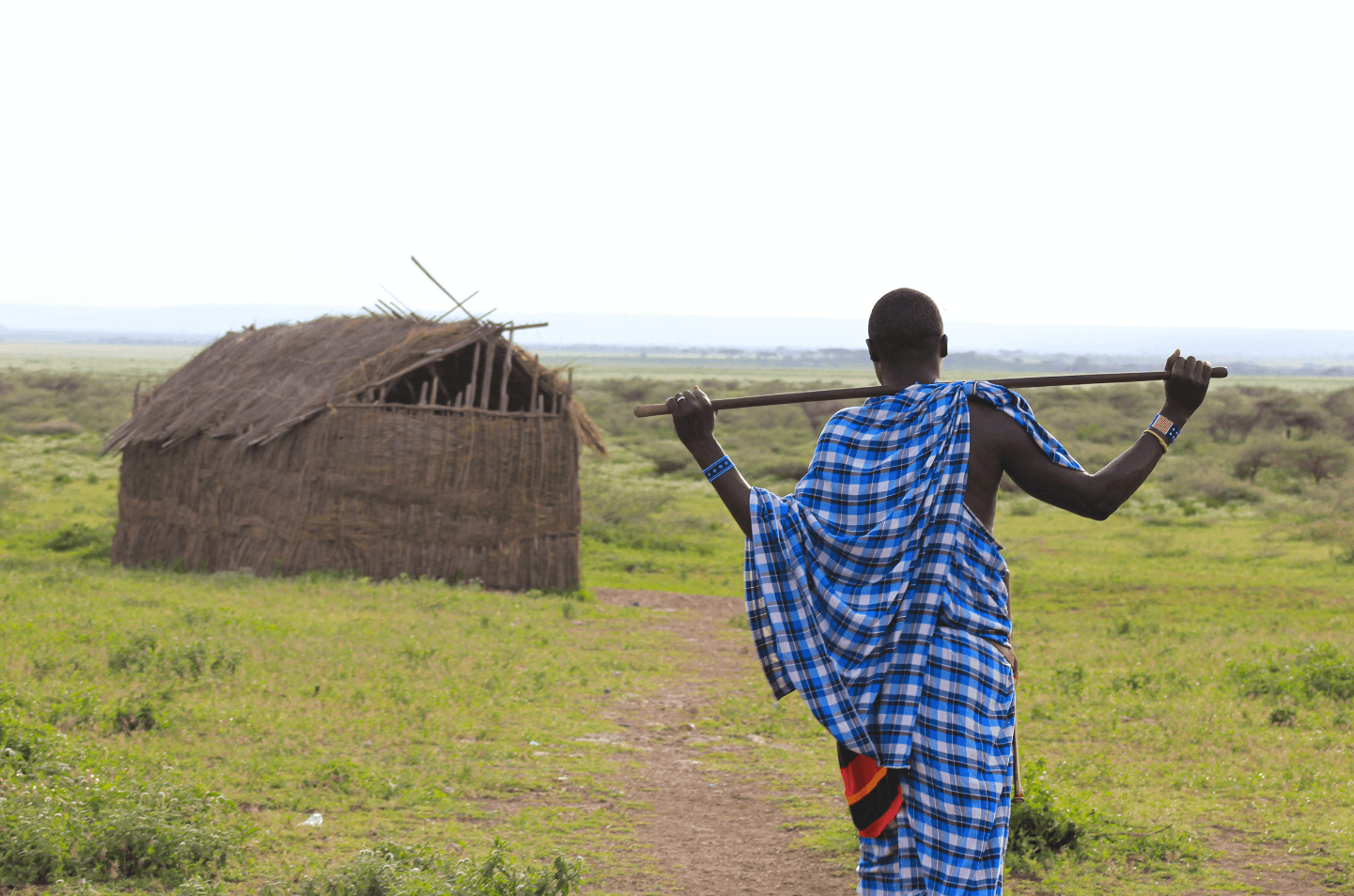
The Maasai live here and are widely recognized as one of the most iconic and culturally significant Indigenous cultures in Africa, a living cultural treasure on Earth with a deep connection to land and wildlife, strong cultural continuity, and often featured in documentaries and anthropology studies. Speaking of anthropology, the Great Rift Valley, considered the cradle of humanity, is one of the most important geological formations on Earth, stretching across several East African countries and forming the geological backbone of Tanzania.
Lastly, Kilimanjaro National Park, a UNESCO World Heritage Site since 1987, is considered a superlative natural phenomenon. At 5,895m, Kilimanjaro (or simply “Kili” to locals) is the highest point in Africa and one of the largest volcanoes in the world, with five distinct vegetations zones, rich mammal diversity, snow-capped peak and glaciers which led to the inscription in the World Heritage Convention. Whether you aim to reach the Uhuru summit or simply to stand at the foot of the mountain admiring its beauty and the surrounding savannah plains, this is another reason not to miss Tanzania.
What Animals Can You Expect To See?
Tanzania offers some of the best wildlife viewing in Africa, though sightings are never 100% guaranteed. Giraffes, zebras, Thomson’s gazelles, warthogs, hyenas, lions, elephants, wildebeest, buffalo, antelopes, abundant birdlife (including Africa’s largest flying bird, the Kori bustard), lizards, baboons, and other monkeys are common and easy to spot.
Some animals, however, are more elusive or restricted to certain areas. Leopards and cheetahs require a bit of luck, with the best chances in the Serengeti. Rhinos are very difficult to spot, though few can be found in the Ngorongoro Crater. In the Arusha region, it is possible to see large flocks of flamingos, especially at the highly alkaline Lake Natron. Flamingos get their pink colour from the algae they feed on in these waters.
Arusha is also home to Mount Meru, and where you may spot blank-and-white colobus monkeys. Smaller species like mongooses and the tiny dik-dik antelope (native of Tanzania) are harder to see. Hippos and crocodiles are easy to spot near ponds, lakes and rivers. And if you want to see massive herds of elephants, Tarangire National Park is famous for them.
What is a Safari in Tanzania Like, and When Should You Go?
Most safaris begin in the Arusha region, well connected to Kilimanjaro International Airport. From here, it is possible to also visit the Kilimanjaro National Park or even hike this iconic mountain.
We recommend being picked up by a safari guide in a 4x4 vehicle and starting your journey from Arusha National Park toward Lake Natron, where travellers can enjoy an afternoon cultural visit with the Maasai and a refreshing walk to the scenic Ngaresero Waterfalls. From Lake Natron, the adventure continues to the northern entrance of the Serengeti National Park. Because the Serengeti is vast, you’ll need several days to explore its northern, central, and southern regions. The journey then continues toward the Ngorongoro Crater, ending back where everything started in Arusha.
From arrival to departure, this itinerary takes 8 days, offering a deeper and more unforgettable safari experience across multiple regions. A Safari can be tiring, early mornings, long drives, patience for wildlife spotting, and flexibility are essential. This length provides better sightings and a more enjoyable rhythm.
We recommend group or private safaris (simply get in contact with us for this once-in-a-lifetime experience). The main differences are in budget, personalisation, and flexibility, but both options offer excellent value.
A safari in Africa is an adventure, but safety should always come first. Choose the right operator (XPeaks is here to help you with our expertise and trusted local partners) and always listen to your guides. Drink plenty of water, use insect repellent, and take malaria prevention tablets and any vaccinations recommended by your doctor (we can help you with preparation and packing essentials too).
When to Go?
Safaris in Tanzania are possible year-round, but there are two main seasons:
Dry season (June-October): with roads easier to navigate, making travel smoother and wildlife easier to spot but more expensive.
Wet season (November-May, best between December-February): with fewer tourists, more sustainable, lower prices with scenic landscapes and wonderful birdwatching.
Continue Your Journey Beyond Tanzania’s Safari with Zanzibar
As locals say, if you want to “wash off the dust” from your Tanzania’s safari, you must stop in Zanzibar, known for its crystalline warm waters, Stone Town (a UNESCO site and the birthplace of Freddie Mercury), colonial history, spice farms, hospitality, and delicious food. The perfect relaxing ending to and unforgettable African adventure.